
Define the purpose
A baseline session, a group snapshot, and a progress re-test answer different questions. The purpose determines the most useful testing format.
The PSBR-F process
Every stage is designed to make testing more repeatable, the results more understandable, and the next development step easier to identify.
Session pathway
The exact drill set can vary by testing format and age, but the structure remains organised and comparable.
Confirm the player details, age group, testing purpose, and relevant context.
Complete the planned drills with consistent instructions, setup, and recording.
Review results across the four performance pillars and valid benchmarks.
Receive a clear PSBR-F snapshot with strengths and development priorities.
A controlled process
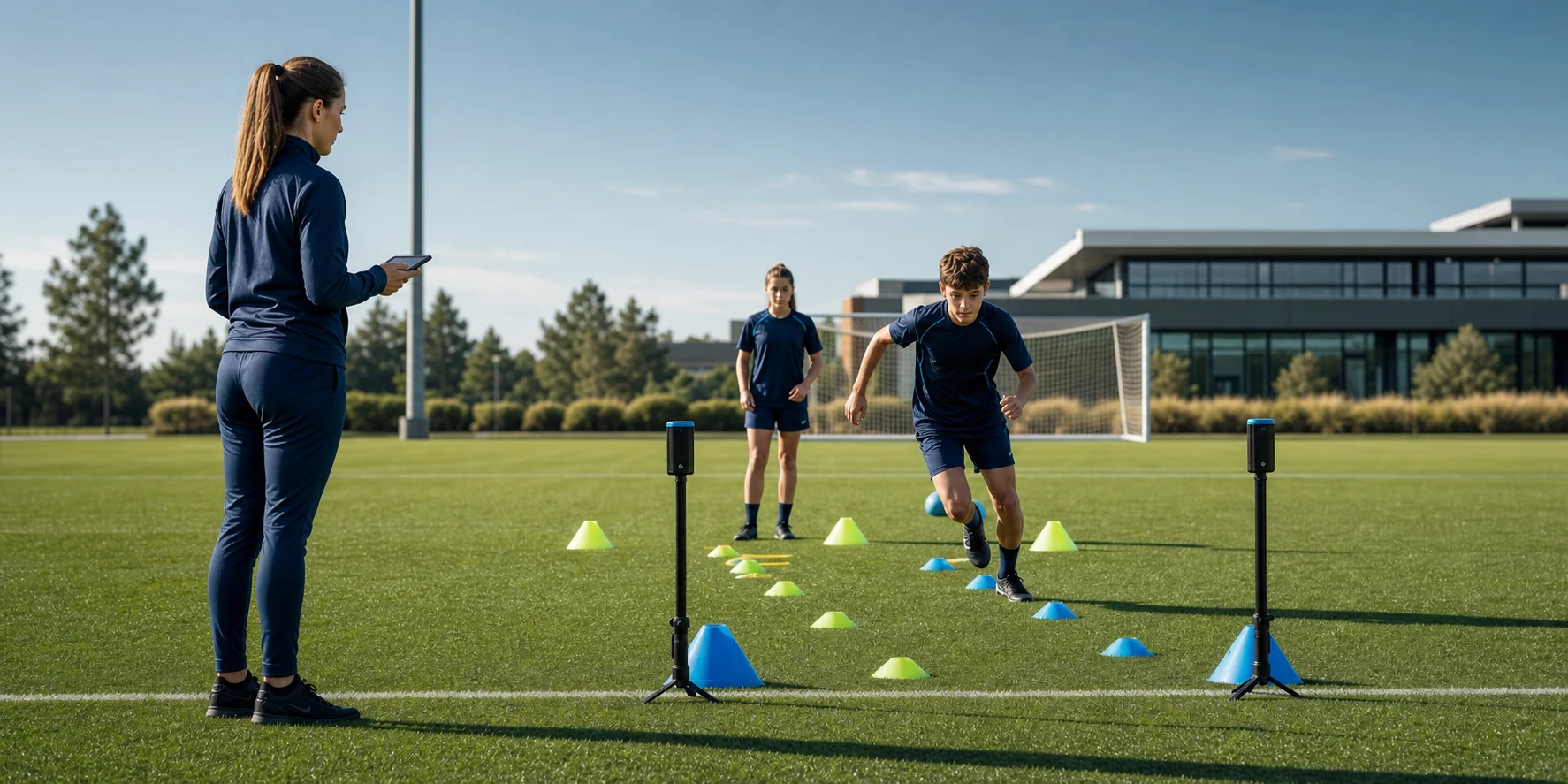
Reliable comparison starts well before a number is recorded. The testing environment, instructions, equipment, and data handling all matter.
A baseline session, a group snapshot, and a progress re-test answer different questions. The purpose determines the most useful testing format.
Drill layout, demonstrations, rest periods, attempts, and recording rules are controlled so the test is repeatable.
Results are considered together. One outstanding or difficult drill should not define the player’s entire performance picture.
The report distinguishes test results from wider judgement and notes where age-group benchmark context is valid.
A small number of practical development areas is more useful than an overwhelming list of every possible improvement.
After the session
A PSBR-F report is most valuable when it helps shape training, makes progress easier to discuss, and creates a consistent reference point for re-testing.
A rating is not a verdict. It is a point-in-time measurement from a defined testing session. Development is non-linear, especially for young players.
Look across the overall result, pillar scores, and individual observations.
Select development targets that fit the player’s age, role, and environment.
Translate the report into purposeful practice rather than isolated test rehearsal.
Repeat after a useful development period under comparable conditions.
Plan your assessment
Tell us about the player or group and what you want to understand.
PSB-010 Ubuntu staging — separate test copy